Get Plumbing Line Installation
Plumbing line installation services help property owners replace, repair, or add pipes for water, gas, or sewage systems in new construction, renovations, or repairs.
Property owners considering plumbing line installation often face the task of planning a project that ensures reliable and efficient service. Whether upgrading existing infrastructure, expanding a property, or addressing aging pipes, exploring local contractor options can help identify experienced professionals capable of handling such work. Comparing different service providers in the area allows for informed decisions, ensuring the chosen experts can meet specific project requirements with quality workmanship.
Continuing to explore available options can provide insights into the range of services offered by local contractors who specialize in plumbing line installation. By reviewing local providers, property owners can better understand the scope of work involved and select professionals suited to their project needs. This approach supports making well-informed choices when planning a plumbing upgrade or expansion.
- New Plumbing Line Installation - needed when installing a new property or adding additional fixtures.
- Kitchen Plumbing Line Replacement - required when upgrading or repairing aging kitchen water lines.
- Bathroom Plumbing Line Repair - necessary for fixing leaks or replacing corroded pipes in bathrooms.
- Outdoor Plumbing Line Services - used when installing or repairing underground water lines for irrigation or landscaping.
- Commercial Plumbing Line Installation - essential for new commercial buildings or large-scale renovations requiring extensive piping systems.
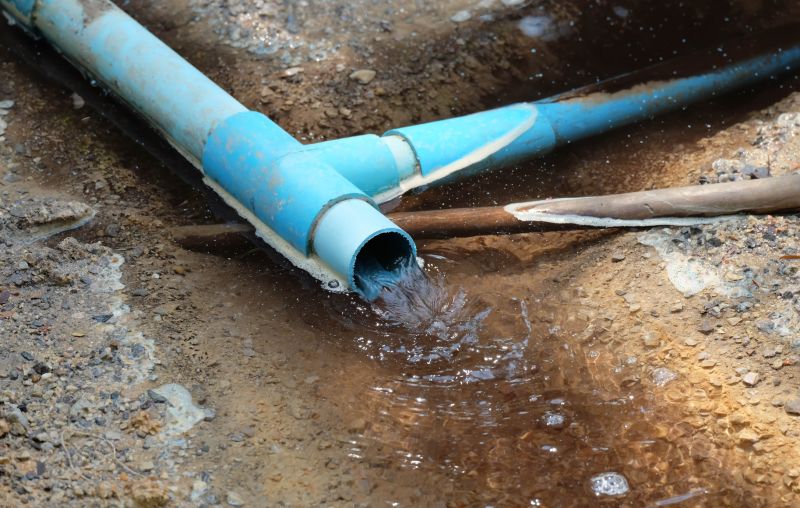
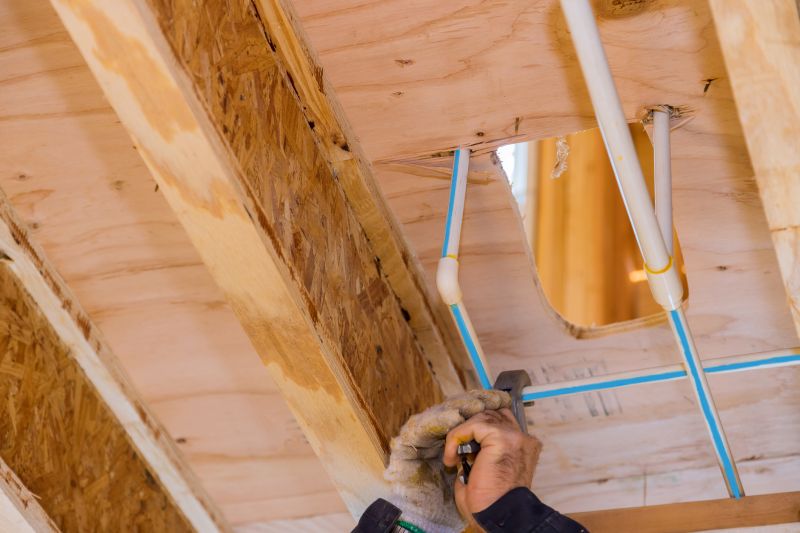
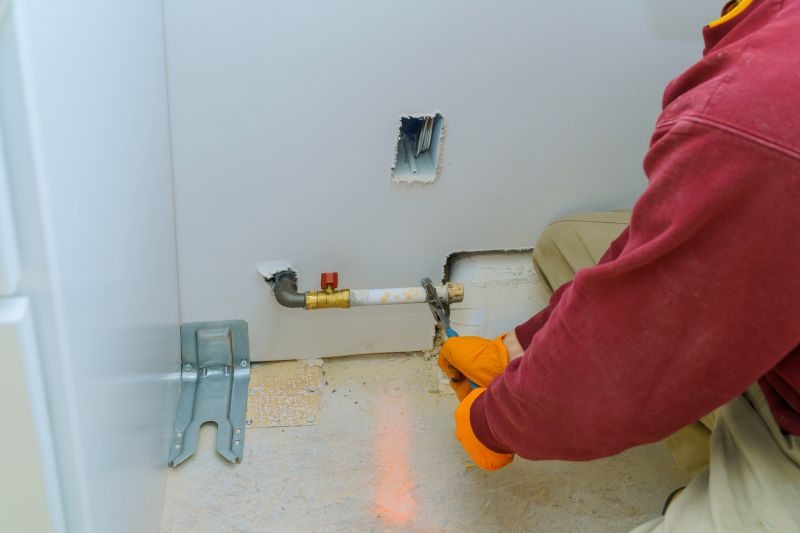
Plumbing line installation services involve setting up the network of pipes that deliver fresh water throughout a property and remove wastewater efficiently. This process includes planning the layout, selecting appropriate piping materials, and installing the lines to ensure proper flow and drainage. Skilled service providers handle everything from initial site assessment to the final connections, making sure the plumbing system functions reliably and meets the specific needs of the property. Proper installation is essential for maintaining a consistent water supply and preventing future plumbing issues.
These services help solve common plumbing problems such as low water pressure, frequent leaks, or blockages caused by outdated or improperly installed pipes. They are also crucial when a property is undergoing renovations, additions, or new construction, requiring a comprehensive and correctly designed plumbing system. By ensuring the lines are installed correctly from the start, property owners can avoid costly repairs and disruptions caused by pipe failures or water damage down the line. Local contractors can assess existing systems or install new lines tailored to the property’s layout and usage.
Plumbing line installation is typically needed in a variety of property types, including residential homes, multi-family buildings, commercial spaces, and new developments. Homeowners often seek these services during major renovations, when replacing aging pipes, or when installing new fixtures that require additional plumbing infrastructure. Commercial property owners may need new lines for restaurants, retail stores, or office buildings to support their water needs. Regardless of the property size or type, experienced service providers can customize the installation to ensure the plumbing system functions efficiently and reliably.
Choosing the right local contractors for plumbing line installation ensures that the work is performed to standard, reducing the risk of future problems. These professionals have the expertise to handle different piping materials, navigate complex layouts, and address unique property requirements. Whether upgrading an existing system or installing new lines for a construction project, connecting with local service providers can help property owners find the right solution for their plumbing needs. Proper installation by qualified contractors supports the long-term performance and durability of the property’s plumbing infrastructure.
The overview below groups typical Plumbing Line Installation projects into broad ranges so you can see how smaller, mid-sized, and larger jobs often compare in your area.
In many markets, a large share of routine jobs stays in the lower and middle ranges, while only a smaller percentage of projects moves into the highest bands when the work is more complex or site conditions are harder than average.
Smaller Repairs - Typical costs for routine plumbing line repairs, such as fixing leaks or replacing a section of pipe, generally range from $250-$600. Many projects fall within this middle range, depending on the scope and accessibility. Fewer jobs reach the higher end of the spectrum, which may involve more complex fixes.
Basic Line Replacement - Replacing a standard section of plumbing line usually costs between $1,000 and $3,000. This range covers most straightforward replacements, with larger or more difficult installations potentially exceeding $4,000. Local contractors can provide estimates based on specific project details.
Full Home Plumbing Replacement - Complete replacement of plumbing lines in a home can typically range from $5,000 to $15,000 or more. These projects are less common and tend to involve extensive work, often pushing costs into the higher tiers depending on the home's size and complexity.
Large or Complex Installations - Larger, more intricate plumbing projects, such as rerouting lines during major renovations, can reach $20,000 or higher. Such projects are less frequent and usually involve significant planning and labor, with costs varying based on the project's scope and property size.
Actual totals will depend on details like access to the work area, the scope of the project, and the materials selected, so use these as general starting points rather than exact figures.
Bathroom Plumbing Installations - local contractors who install or replace bathroom fixtures often work with similar piping, layout planning, and water supply systems as those used in plumbing line installation projects.
Kitchen Sink and Fixture Installations - professionals experienced in connecting kitchen fixtures have skills in handling water lines, drainage systems, and precise planning needed for plumbing line setups.
Water Heater Installation - installing or replacing water heaters involves working with existing plumbing lines, requiring knowledge of pipe connections, water flow, and system integration.
Drainage System Repairs - repairing or upgrading drainage lines involves similar trenching, pipe fitting, and planning skills as those used in installing new plumbing lines.
Sewer Line Replacement - replacing or repairing sewer lines requires excavation, pipe handling, and system layout planning comparable to general plumbing line installation work.
Underground Pipe Repair - fixing or replacing underground pipes involves excavation, pipe fitting, and planning skills that are directly related to the skills needed for plumbing line installation projects.
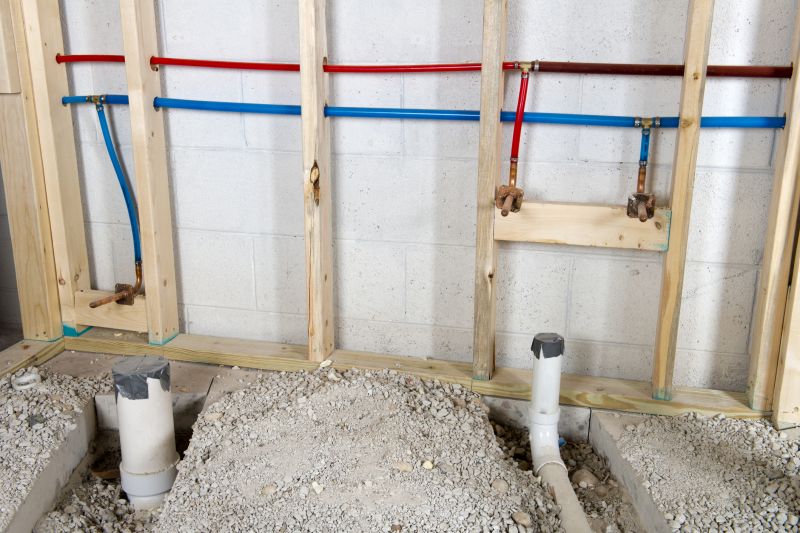
When comparing local contractors for plumbing line installation, it’s important to consider their experience with similar projects. Homeowners should look for service providers who have a proven track record of handling plumbing line installations comparable to the scope and complexity of the work needed. Asking about past projects or reviewing portfolios can provide insight into their familiarity with specific types of plumbing systems and installation techniques, helping to ensure the chosen contractor has the relevant expertise.
Clear written expectations are essential to a successful project. Homeowners should seek out service providers who can provide detailed descriptions of the work scope, materials to be used, and any relevant procedures or standards. Having these expectations documented helps prevent misunderstandings and ensures both parties are aligned on what the project entails. It’s also beneficial to verify that the contractor understands the homeowner’s specific needs and preferences before work begins.
Reputable references and effective communication are key indicators of a trustworthy local contractor. Homeowners can ask for references from previous clients who had similar work done and follow up to learn about their experiences. Good communication throughout the process-such as prompt responses to questions and clear explanations of options-can make the project smoother and more predictable. Connecting with service providers who prioritize transparency and responsiveness can contribute to a more confident and satisfying plumbing line installation experience.
Property owners use Plumbing Line Installation services for practical projects around their homes and businesses. This guide focuses on everyday jobs and straightforward project options.
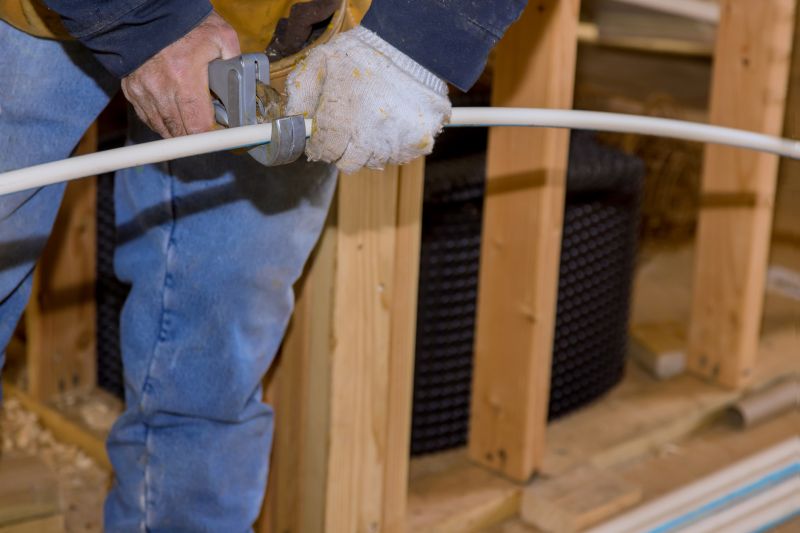
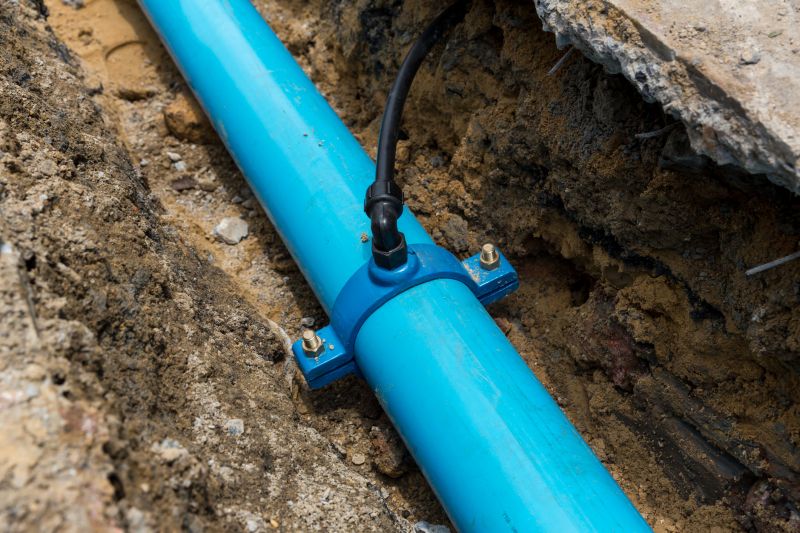
Plumbing line installation services are often needed during major property upgrades, new construction projects, or when existing pipes have become outdated or damaged. Property owners might seek local contractors to replace old or corroded pipes, install new lines for additions like bathrooms or kitchens, or upgrade plumbing systems to improve efficiency. These projects can help prevent leaks, reduce water waste, and ensure the plumbing infrastructure meets current standards.
In many cases, property owners look for local service providers to handle urgent repairs caused by pipe leaks or blockages, as well as routine updates to their plumbing systems. Whether installing lines in a new build or replacing aging infrastructure, these professionals can help ensure the plumbing functions properly and reliably. Connecting with experienced local contractors offers a practical solution for maintaining and improving plumbing systems around the property.
What types of plumbing lines do local contractors install? Local contractors typically install water supply lines, drain lines, and gas lines, depending on the specific needs of a property.
How do professionals ensure proper plumbing line installation? They follow standard plumbing codes and best practices to ensure lines are correctly placed, secured, and free of leaks or obstructions.
Can local service providers handle both residential and commercial plumbing line installations? Yes, many local contractors are experienced in installing plumbing lines for both residential and commercial properties.
What materials are commonly used for plumbing line installation? Common materials include copper, PEX, PVC, and CPVC, chosen based on the application and local building codes.
How do I find qualified local contractors for plumbing line installation? You can contact reputable service providers in the area who specialize in plumbing installations to compare options and get connected with the right professional.
Replace Old Plumbing Lines - Property owners can upgrade outdated or damaged plumbing lines to improve water flow and avoid leaks.
Install New Plumbing for Renovations - During home or bathroom renovations, new plumbing lines can be added to support additional fixtures or appliances.
Add a Water Supply Line - Local contractors can install new water lines for outdoor features like sprinklers, fountains, or outdoor kitchens.
Repair Leaking or Broken Lines - Service providers can fix or replace damaged plumbing lines to prevent water waste and property damage.
If you are thinking about Plumbing Line Installation for a property, this guide is meant to help you understand the work, the typical project types, and how different options might fit your plans.
When you are ready, you can use the quote form on this page to share a few details about your project. From there, local pros can review the basics and respond with options that match what you have in mind.