Common Causes Of Low Water Pressure In Homes
If you're dealing with common causes of low water pressure in homes, local service providers can diagnose and repair issues to restore steady flow efficiently.
If you’re experiencing low water pressure at home, understanding the common causes can help pinpoint the issue and determine whether professional assistance is needed. Property owners in the area often find that factors such as mineral buildup in pipes, clogged fixtures, or pressure regulator problems contribute to weak water flow. Recognizing these potential causes can guide homeowners in troubleshooting or deciding when to seek help from local contractors who specialize in low water pressure repair services.
Exploring these common issues is a practical step toward restoring optimal water flow in your home. Local service providers are equipped to diagnose and address the root causes of low water pressure, whether it’s a hidden pipe blockage or a faulty pressure regulator. Keeping informed about these factors can make it easier to communicate with trusted professionals and ensure the right solutions are implemented to keep water pressure steady and reliable.
- Clogged pipes - when buildup or debris restricts water flow, local contractors can inspect and clear blockages to restore pressure.
- Leaking or broken fixtures - damaged faucets or valves can cause pressure drops, and service providers can repair or replace faulty components.
- Corroded plumbing systems - aging pipes may restrict flow due to corrosion, with local pros offering pipe replacement or repair solutions.
- Main water line issues - problems with the primary supply line, such as leaks or damage, can lead to low pressure and require professional diagnosis and repair.
- Municipal water supply problems - fluctuations or issues in the local water system can cause pressure drops, and local service providers can assess and address related concerns.
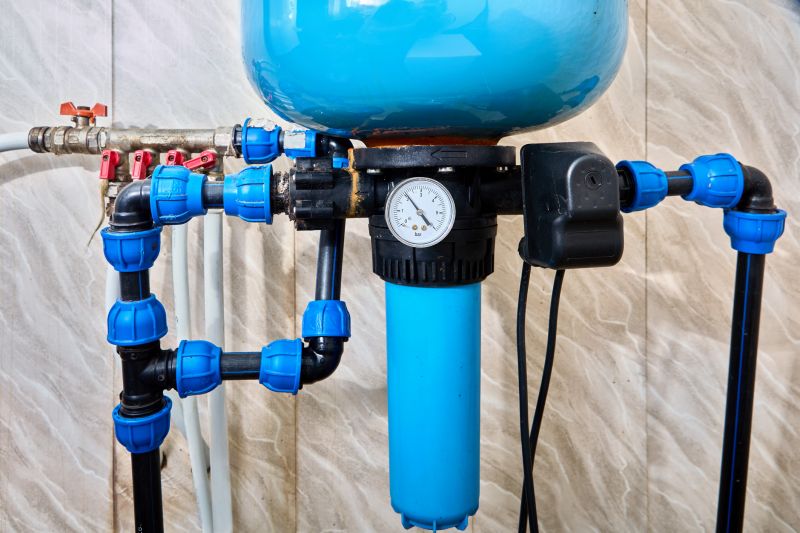
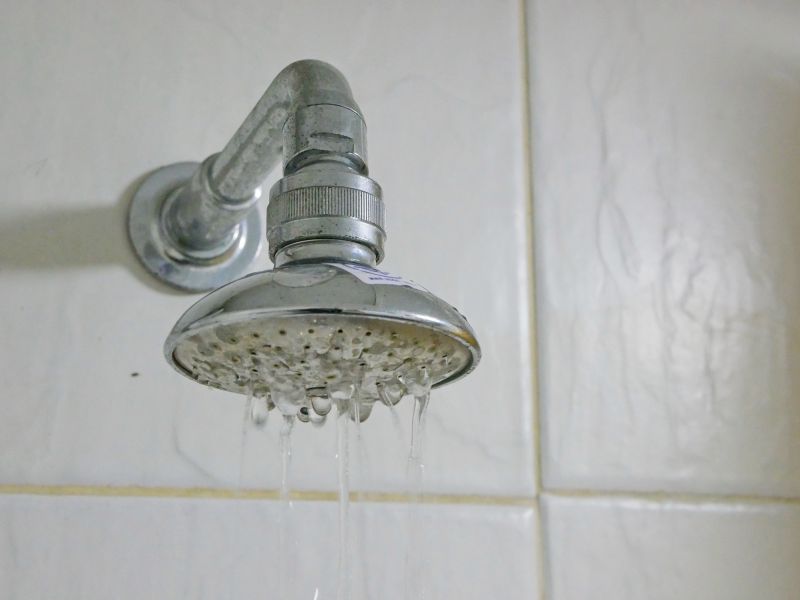
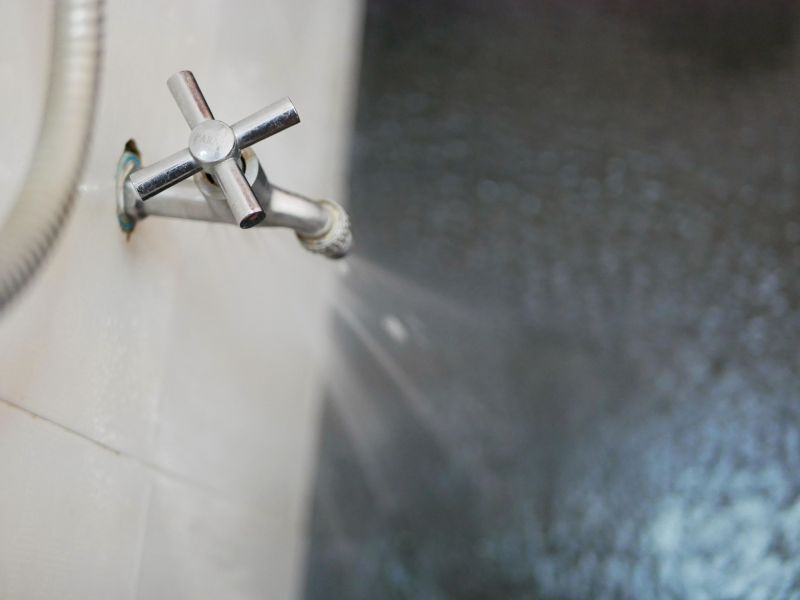
When homeowners search for information about common causes of low water pressure in homes, they are typically experiencing a noticeable decrease in water flow from faucets, showers, or other fixtures. This issue can affect daily routines, making simple tasks like washing dishes or taking a shower frustrating. People often relate this problem to their plumbing system or the overall water supply, seeking solutions that restore normal pressure. Understanding the underlying causes helps homeowners determine whether the problem is something they can fix themselves or if professional assistance is needed. Local service providers specializing in low water pressure repair can diagnose and resolve these issues efficiently, ensuring that water flow returns to expected levels.
Low water pressure in homes can be linked to a variety of common causes, many of which are related to the plumbing infrastructure or water supply system. For example, mineral buildup or sediment accumulation in pipes can restrict water flow, especially in areas with hard water. Corrosion or pipe leaks can also reduce pressure by allowing water to escape before reaching fixtures. Additionally, issues with the main water supply line, such as blockages or pressure regulation problems, can impact multiple fixtures throughout the property. Homeowners with older properties or those experiencing recent plumbing changes may notice these issues more frequently, prompting them to seek the help of local contractors who specialize in diagnosing and repairing low water pressure.
The types of properties affected by low water pressure tend to vary, but certain characteristics make some homes more prone to experiencing these problems. Older houses with aging plumbing systems are common candidates, as corrosion and pipe deterioration tend to develop over time. Multi-story buildings may face pressure issues on upper floors due to elevation differences, especially if pressure regulation devices are not properly installed or maintained. Properties with recent plumbing modifications or repairs might also encounter pressure drops if connections are not properly configured. Whether a single-family home, duplex, or multi-unit building, understanding the specific setup helps in pinpointing the root causes, and local service providers can tailor their solutions accordingly to restore optimal water flow.
Addressing common causes of low water pressure in homes often involves a combination of inspections and targeted repairs. Local pros can evaluate the entire plumbing system, checking for issues such as clogged pipes, faulty pressure regulators, or leaks that may be affecting flow. They may also assess the main water line for blockages or damage, which can significantly impact pressure levels. In many cases, simple fixes like clearing sediment buildup or replacing worn-out pressure regulators can restore proper water flow. For more complex problems, such as extensive pipe corrosion or main line issues, professional technicians are equipped to recommend and perform the necessary repairs or replacements. Connecting with experienced local contractors ensures that these common causes are effectively addressed, helping homeowners enjoy consistent water pressure throughout their homes.
Plumbing System Inspections - inspecting plumbing systems helps identify issues like pipe blockages or leaks that can cause low water pressure, similar to common causes of low water pressure in homes.
Pipe Repair and Replacement - repairing or replacing damaged or corroded pipes addresses restrictions in water flow, which is often a factor in low water pressure problems.
Fixture and Valve Repairs - servicing or replacing faulty fixtures and valves ensures proper water flow, a common step when diagnosing low water pressure issues.
Water Filter and Softener Installation - installing or maintaining filters and softeners can prevent buildup that restricts water flow, related to causes of low water pressure in homes.
Leak Detection and Repair - locating and fixing leaks helps restore proper water pressure by eliminating hidden water losses within the plumbing system.
Water Pressure Regulator Services - adjusting or replacing pressure regulators ensures optimal water flow, addressing a frequent cause of low water pressure problems.
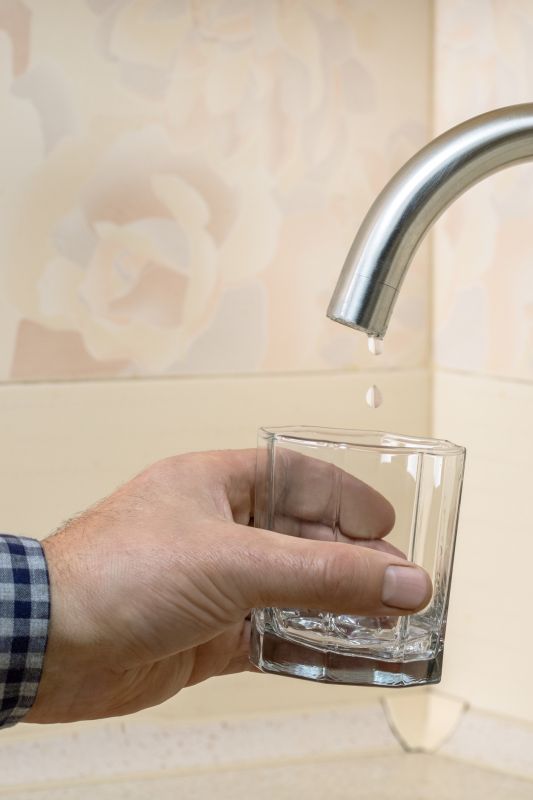
When comparing service providers for low water pressure repair, it is important to consider their experience with similar projects. Homeowners should seek out local contractors who have a proven track record of addressing common causes of low water pressure in homes, such as pipe blockages, faulty pressure regulators, or leaks. Asking about past work can provide insight into their familiarity with these issues and their ability to diagnose and resolve them effectively. An experienced professional is more likely to understand the complexities involved and deliver a solution that addresses the root cause rather than just temporary fixes.
Clear written expectations are essential when evaluating potential service providers. Homeowners should look for contractors who can clearly outline the scope of work, the steps involved in diagnosing and repairing low water pressure issues, and any potential follow-up services needed. Having a detailed understanding of what to expect helps prevent misunderstandings and ensures that the repair process aligns with the homeowner’s needs. Service providers who communicate openly and provide thorough explanations demonstrate professionalism and a commitment to transparency, which can contribute to a smoother repair experience.
Reputable references and good communication are key factors in selecting a reliable local contractor. Homeowners are encouraged to seek out service providers with positive reviews or testimonials from previous clients, as these can offer insights into the quality of workmanship and customer service. Additionally, a contractor’s responsiveness and willingness to answer questions throughout the process can significantly impact the overall experience. Effective communication helps ensure that homeowners stay informed about the progress of repairs, understand the solutions being implemented, and feel confident in the contractor’s ability to resolve their low water pressure concerns efficiently.
Property owners often search for common causes of low water pressure in homes when they are planning practical projects around their homes and businesses. Local pros provide Low Water Pressure Repair services for everyday jobs and straightforward project options.
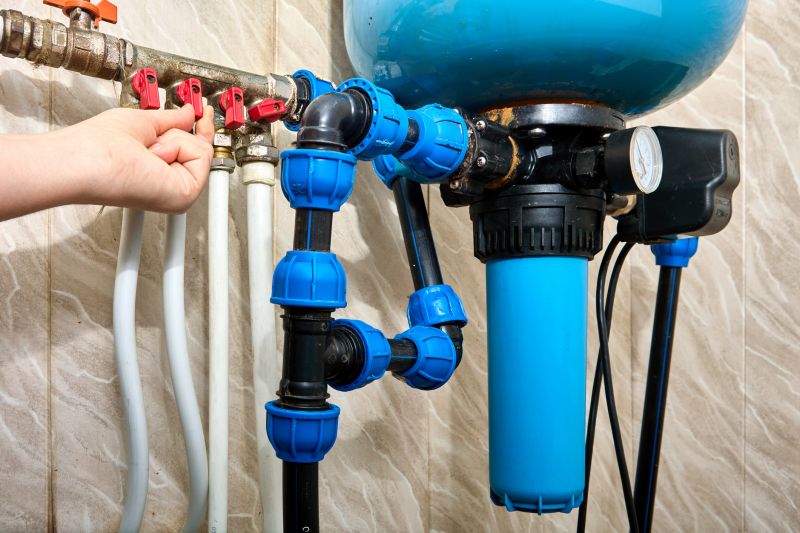
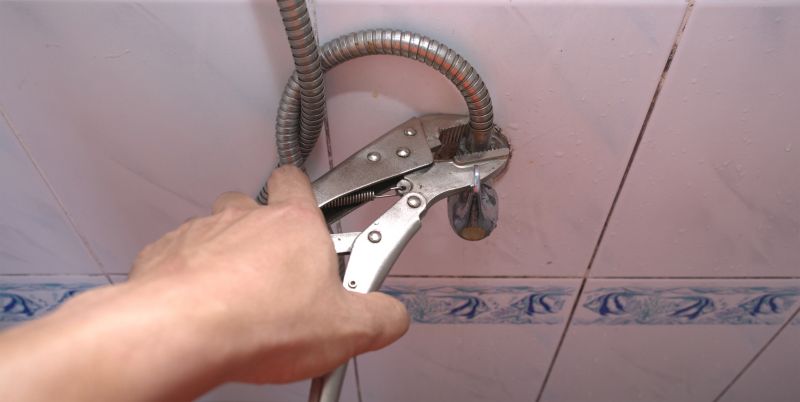
Understanding the common causes of low water pressure in homes can help property owners identify potential issues early on. Often, simple factors such as clogged pipes, mineral buildup, or partially closed valves can significantly reduce water flow. In many cases, these problems arise from everyday household activities or aging plumbing systems, prompting homeowners to seek professional assistance to diagnose and resolve the root cause effectively.
Local contractors who specialize in low water pressure repair are equipped to handle a variety of issues that may be affecting a home's water flow. Whether it’s clearing out obstructions, fixing faulty valves, or inspecting for pipe corrosion, these service providers can offer solutions tailored to the specific situation. Property owners looking to restore optimal water pressure often find that connecting with experienced local experts is a practical step toward resolving these common plumbing concerns.
What are common causes of low water pressure in homes? Common causes include clogged fixtures, mineral buildup in pipes, leaks, and issues with the main supply line, which local contractors can diagnose and repair.
How can clogged fixtures affect water pressure? Blockages caused by sediment or debris can restrict water flow, leading to low pressure; local service providers can clear these clogs to restore proper flow.
What role do leaks play in low water pressure? Leaks in pipes or plumbing fixtures can reduce water volume, resulting in decreased pressure; local pros can identify and fix leaks efficiently.
Can mineral buildup in pipes cause low water pressure? Yes, mineral deposits can narrow pipe interiors over time, impeding water flow; experienced contractors can remove or replace affected pipes.
What should be done if the main water line is causing low pressure? A professional inspection can determine if issues with the main supply line are to blame, and local service providers can perform necessary repairs or replacements.
Clogged pipes - Identifying and clearing blockages in household plumbing can restore proper water flow, and local contractors can perform drain cleaning services to resolve this issue.
Water leaks - Detecting leaks in pipes or fixtures can prevent pressure drops; experienced service providers can locate and repair leaks efficiently.
Corroded fixtures - Replacing or repairing corroded faucets and showerheads can improve water pressure, with local pros providing fixture upgrade services.
Municipal supply issues - Understanding if low water pressure stems from municipal problems allows property owners to work with local contractors for appropriate solutions or system adjustments.
If you are thinking about common causes of low water pressure in homes for a property, this guide is meant to help you understand this topic, the typical project types, and how different options might fit your plans.
When you are ready, you can use the quote form on this page to share a few details about your project. From there, local pros can review the basics and follow up with options that match what you have in mind.